
Blog

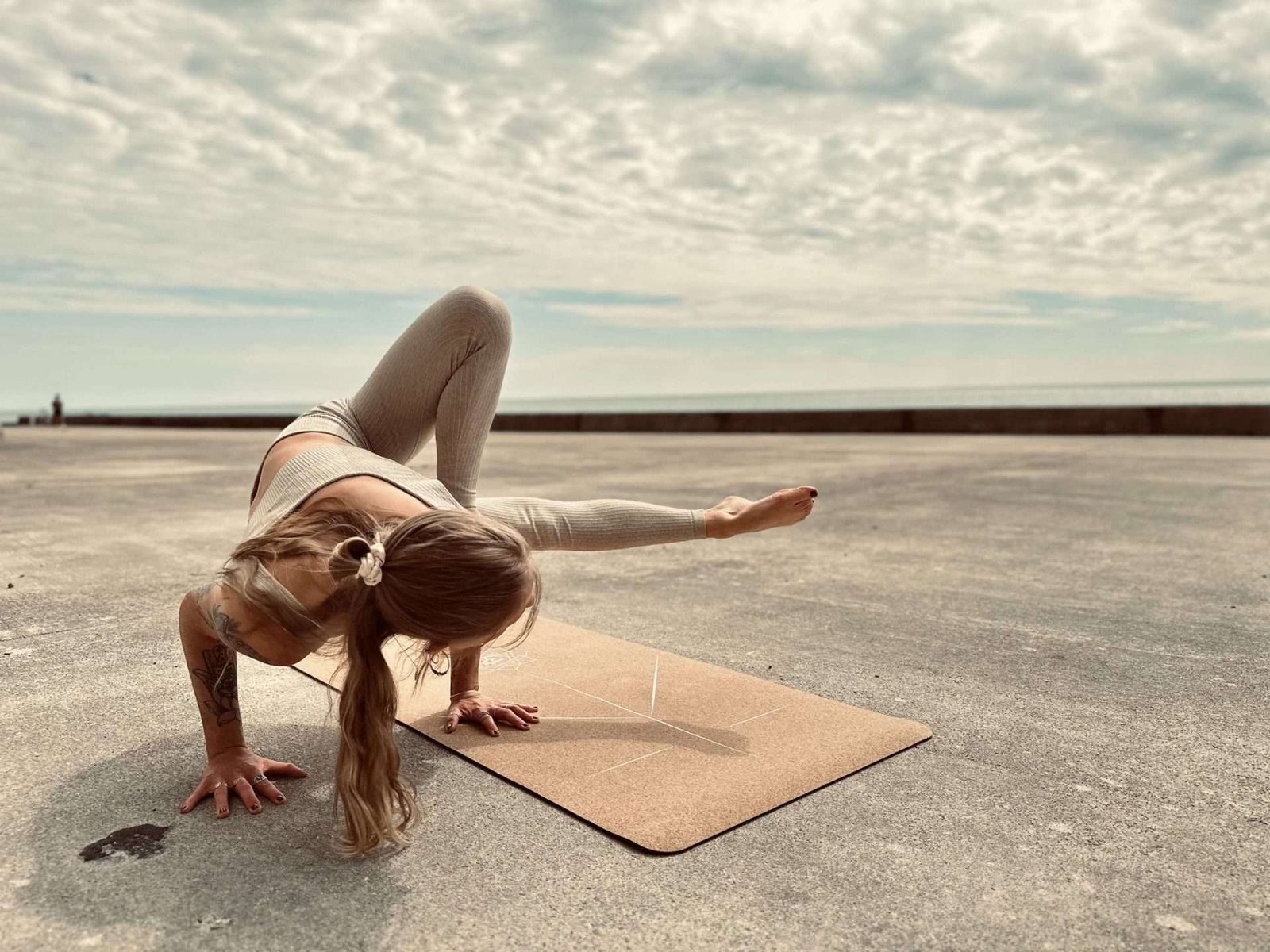
Benefits of Cork Yoga Mats: 8 Compelling Reasons to Choose a Cork Yoga Mat
The popularity of cork yoga mats is on the rise, as yogis understand the multiple benefits that come with choosing a cork yoga mat. In this article, we'll also explore why these mats are a superior choice over other options in the market, regarding eco-friendliness, non-slip grip, performance, style, and aesthetics.
Introducing Boho Flow: Your Premium, Eco-Friendly Yoga & Accessories Brand
In a world that seems to be perpetually moving at a breakneck pace, finding moments of peace and stillness has become a vital necessity. The practice of yoga offers a sanctuary from the chaos, allowing us to reconnect with our bodies, minds, and the energy within. Nowadays, more than ever, it has become so important moments and spaces of serenity

Best Cork Yoga Mat | Boho Flow Guide
Discover how to choose the best cork yoga mat for your practice. Compare thickness, surfaces, design & backing. Find your perfect Boho Flow cork yoga mat.
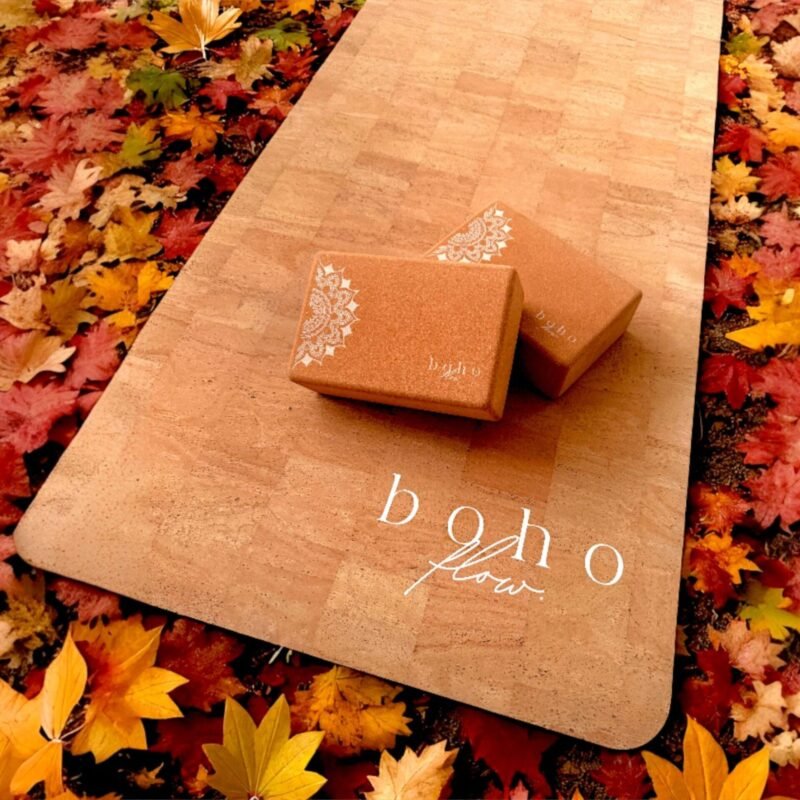
🍂 How to Get Back Into Yoga This Autumn: 5 Tips to Restart Your Practice
Autumn naturally invites us to slow down, reflect, and turn inward again. 🍁 If you’re wondering how to get back into yoga after a break, this season is the perfect time to restart your yoga routine with fresh energy and focus. Here are five practical and supportive tips to help you return to your mat.
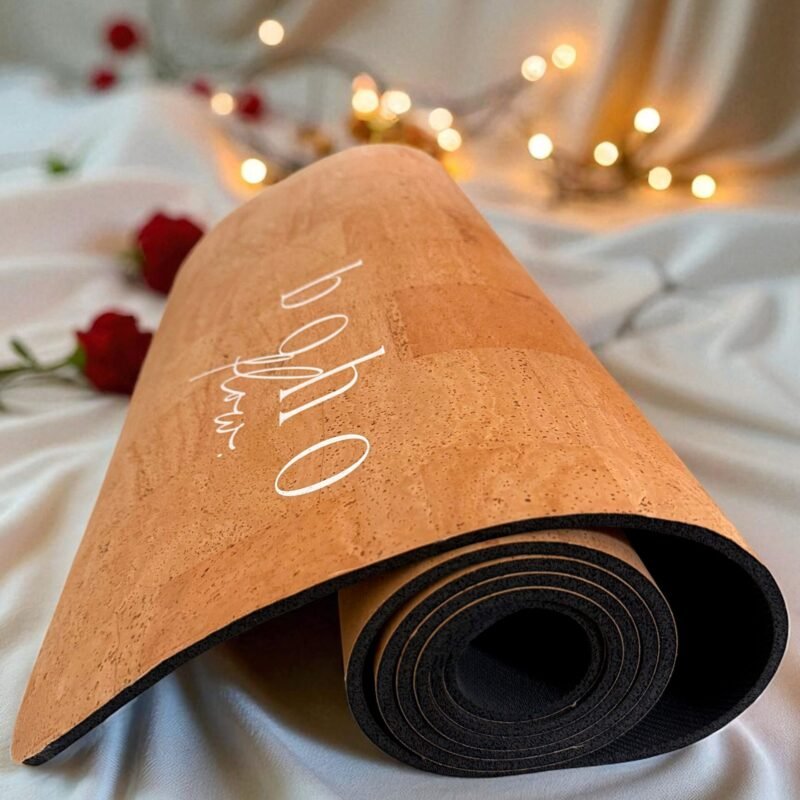
Why It’s Worth Investing in a Premium Cork Yoga Mat
The truth is simple: when you practice regularly, your yoga mat becomes your most important tool. Just like a good mattress or a pair of running shoes, the right mat isn’t a splurge—it’s an investment in your wellbeing. That’s where our new Deluxe Caffè Core and Luxe Leather Edition eco yoga mats come in: designed for those who want to combine luxury, sustainability, and performance.

10 Tips for a Plastic-Free July: How You Can Make a Difference
Plastic pollution has become one of the most pressing environmental issues of our time. Every year, over 8 million tons of plastic waste enter our oceans, harming marine life, polluting ecosystems, and even entering the food chain. Studies show that by 2050, there could be more plastic in the ocean than fish, by weight. The good news? We have the power to change this.

The Boho Flow Gift Guide: 7 Eco Yoga Gift Ideas for This Christmas
The holiday season is an ideal opportunity to give eco-friendly gifts that spread joy, especially for yoga enthusiasts. Consider sustainable options like cork yoga mats, DIY aromatherapy pillows, reusable water bottles, and plant-based cleaners. Thoughtful choices reflect mindfulness and care for the planet, enhancing the gift-giving experience.

What is the Best Time to Practice Yoga?
The article discusses the significance of timing in yoga practice, particularly Asana. Early morning is ideal for enhancing spiritual growth and physical activation, while midday offers opportunities for restorative breaks. Evening sessions focus on relaxation and winding down. Adaptation to modern schedules is emphasized, stressing the importance of consistency over specific timing.

Exploring the Last Three Limbs of Ashtanga Yoga: Dharana, Dhyana, and Samadhi
In the journey of Ashtanga Yoga, the last three limbs—Dharana, Dhyana, and Samadhi—represent the pinnacle of yogic practice. These advanced stages guide practitioners from focused concentration to deep meditation, ultimately leading to a state of enlightenment. In this blog article, we will delve into these final limbs, their significance in a holistic yoga practice, their benefits, and how they can be practiced.

The Fifth Limb of Ashtanga Yoga: Pratyahara – The Art of Sensory Withdrawal
Pratyahara, often referred to as "withdrawal of the senses," is about learning to tune out external distractions and turn our focus inward. This practice sets the stage for deeper concentration (Dharana) and meditation (Dhyana), which follow in the last three limbs of Ashtanga Yoga. Let's take a closer look at what Pratyahara is all about, why it's important, and how you can practice it.
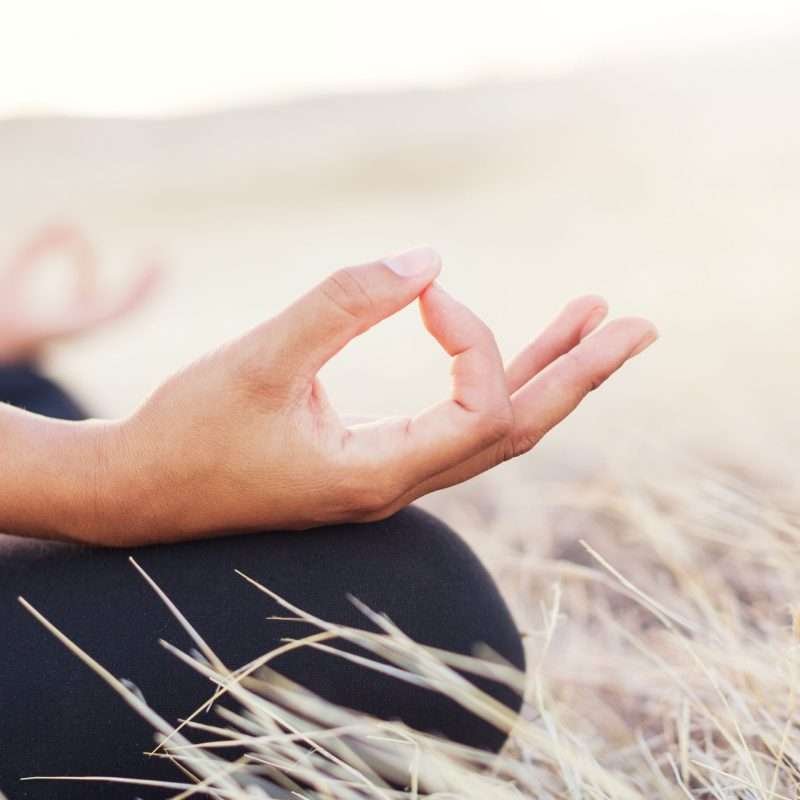
What is Pranayama: The Fourth Limb of Ashtanga Yoga
The fourth limb, Pranayama, is often translated as "breath control" but carries a deeper significance. The term is derived from two Sanskrit words: "prana," meaning life force or vital energy, and "ayama," meaning expansion or control. Pranayama, therefore, refers to the regulation and expansion of the life force through deliberate breathing techniques. In traditional yogic philosophy, there is a belief that one's lifespan is measured in breaths.

Why Do We Practice Asana: Exploring The Third Limb of Yoga
The third limb is Asana, which refers to the physical postures of yoga. The word "Asana" comes from the Sanskrit root "ās" which means "to sit" or "to be established in a particular position." The original purpose of the physical practice of yoga, known as Asana, was to prepare the body for prolonged periods of meditation and to facilitate the spiritual journey toward self-realization and enlightenment.